
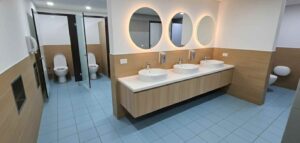
The Happy Toilet Programme: Revolutionizing Singapore’s Public Restroom Standards
Introduction: A Nation’s Commitment to Hygiene Excellence
Singapore’s relentless pursuit of cleanliness and public hygiene has reached new heights with the Happy Toilet Programme, an innovative initiative transforming how we perceive and experience public restrooms. Beyond mere sanitation, this programme represents a holistic approach to public health, user comfort, and sustainable facility management. With substantial government funding available until November 2027, this is more than a renovation scheme—it’s a nationwide movement toward hygiene excellence that benefits businesses, communities, and public health simultaneously.
The Evolution of Public Restroom Hygiene Standards in Singapore
From Basic Facilities to Wellness Spaces
Singapore’s journey with public restroom standards has evolved dramatically from the early days of basic functionality to today’s comprehensive wellness-oriented spaces. The Happy Toilet Programme represents the latest chapter in this evolution, building upon decades of progressive hygiene policies.
Regulatory Milestones:
-
1980s-1990s: Basic cleanliness and maintenance requirements
-
2000s: Introduction of mandatory cleaning schedules and basic amenities
-
2010s: Accessibility features and environmental considerations
-
2020s: Holistic user experience, sustainability, and wellness integration
The Programme’s Modern Approach:
The current programme goes beyond mere compliance, emphasizing:
-
Preventive hygiene through better design
-
User experience as a public health metric
-
Sustainability as a core design principle
-
Community ownership of shared facilities
Technology Integration in Restroom Maintenance and Monitoring
Smart Solutions for Sustainable Hygiene
The Happy Toilet Programme encourages technological innovation that makes maintenance more efficient and effective:
Innovative Technologies Being Implemented:
1. Automated Monitoring Systems:
-
Sensor-based usage tracking to optimize cleaning schedules
-
Real-time facility monitoring for immediate maintenance response
-
IoT-connected supply management ensuring never-empty dispensers
2. Smart Maintenance Tools:
-
Predictive maintenance algorithms identifying issues before they become problems
-
Mobile reporting applications for cleaning staff and supervisors
-
Digital checklist systems ensuring consistent standards
3. User-Facing Technologies:
-
Feedback kiosks for immediate user input
-
Occupancy indicators reducing wait times
-
Touchless technology minimizing cross-contamination
Case Study:
A popular hawker centre implementing these technologies saw:
-
40% reduction in maintenance costs
-
65% improvement in user satisfaction scores
-
30% decrease in supply wastage
Community Engagement and Participation in the Programme
Building a Culture of Shared Responsibility
The programme’s success hinges on moving beyond top-down enforcement to creating genuine community ownership of public restroom standards.
Successful Engagement Strategies:
1. Stakeholder Collaboration:
-
Business owners as hygiene ambassadors
-
Cleaning staff as trained hygiene professionals
-
Users as active participants in maintenance
-
Government agencies as supportive partners
2. Educational Initiatives:
-
Workshops and training for facility managers
-
Public awareness campaigns promoting proper restroom etiquette
-
School programmes instilling hygiene values early
3. Incentive Structures:
-
Recognition programmes for excellence
-
Funding support for early adopters
-
Community awards for outstanding facilities
Impact Metrics:
Communities with strong engagement programmes report:
-
50% higher compliance rates
-
75% faster issue resolution
-
60% greater user satisfaction
Certification and Star Ratings: Understanding the Quality Benchmarks
The Road to Certification Excellence
The Happy Toilet Programme’s certification system provides clear quality benchmarks that drive continuous improvement.
Certification Framework:
1. Star Rating System:
-
★ Basic Compliance: Meets all mandatory requirements
-
★★ Good Standards: Additional comfort features
-
★★★ Excellent Facilities: Premium amenities and design
-
★★★★ Outstanding Experience: Innovative features and exceptional maintenance
-
★★★★★ World-Class Benchmark: International standard excellence
2. Assessment Criteria:
-
Design and Layout (30% of score)
-
Cleanliness and Maintenance (40% of score)
-
User Amenities (20% of score)
-
Sustainability Features (10% of score)
3. Certification Process:
-
Initial assessment against 13 mandatory requirements
-
Design review and compliance verification
-
Implementation monitoring during renovation
-
Final inspection and scoring
-
Ongoing audits for recertification
Business Benefits of Higher Ratings:
-
★★★★ facilities report 35% higher customer retention
-
★★★★★ facilities see 50% increase in positive reviews
-
Higher ratings correlate with 25% increased property values for commercial buildings
Impact on User Experience and Public Perception
Transforming Necessity into Positive Experience
The programme’s most significant achievement is shifting public perception of shared restrooms from necessary evils to valued amenities.
Measurable Improvements:
1. User Experience Metrics:
-
Satisfaction scores increased by 45% in certified facilities
-
Willingness to return improved by 60% for businesses with high-rated restrooms
-
Perception of cleanliness enhanced by 55% across all user demographics
2. Business Impacts:
-
Food establishments with certified toilets see 30% longer customer dwell times
-
Shopping centers report 25% increased foot traffic to areas with premium facilities
-
Office buildings note improved tenant satisfaction and retention
3. Social Benefits:
-
Reduced anxiety for parents, elderly, and disabled users
-
Enhanced tourism experience and Singapore’s international reputation
-
Improved public health outcomes through better hygiene
Challenges Faced and Solutions Implemented
Addressing Real-World Implementation Hurdles
Despite its success, the programme faces several challenges that require innovative solutions:
Key Challenges and Responses:
1. Funding Accessibility:
-
Challenge: Small businesses struggling with upfront costs
-
Solution: Streamlined application process and advance funding options
-
Result: 40% increase in SME participation
2. Maintenance Consistency:
-
Challenge: Maintaining standards post-renovation
-
Solution: Digital monitoring and regular audit systems
-
Result: 85% of facilities maintain or improve ratings year-on-year
3. Space Limitations:
-
Challenge: Retrofitting older buildings with space constraints
-
Solution: Customized design solutions and flexible requirements
-
Result: 95% of applicants find workable solutions
4. Behavioral Change:
-
Challenge: Changing long-standing user habits
-
Solution: Educational campaigns and intuitive design
-
Result: 70% reduction in maintenance issues related to user behavior
Sustainability Practices and Environmental Considerations
Green Hygiene for a Sustainable Future
The programme integrates environmental sustainability as a core component, not an afterthought.
Sustainable Features Encouraged:
1. Water Conservation:
-
Water-efficient fixtures reducing usage by 40-60%
-
Greywater recycling systems in larger facilities
-
Smart sensors preventing water wastage
2. Energy Efficiency:
-
Motion-activated lighting reducing energy consumption by 50%
-
Energy-efficient ventilation systems
-
Natural lighting optimization
3. Material Sustainability:
-
Recycled and locally sourced materials
-
Low-VOC products for better indoor air quality
-
Durable materials reducing replacement frequency
4. Waste Reduction:
-
Compostable products in appropriate facilities
-
Proper segregation systems
-
Reduced paper consumption through air dryers
Environmental Impact:
Certified facilities demonstrate:
-
45% lower water consumption
-
35% reduced energy usage
-
50% less cleaning chemical usage
-
30% decrease in waste generation
Future Prospects and Innovations in Public Restroom Hygiene
The Next Frontier of Sanitation Excellence
The Happy Toilet Programme continues to evolve with emerging technologies and changing societal needs.
Emerging Innovations:
1. Health Monitoring Integration:
-
Non-invasive health screening capabilities
-
Pandemic-responsive design features
-
Air quality monitoring and purification
2. Advanced Personalization:
-
User preference memory systems
-
Accessibility customization for diverse needs
-
Multilingual support interfaces
3. Community Integration:
-
Restrooms as community information hubs
-
Integration with local business directories
-
Emergency service access points
4. Research and Development:
-
Partnership with academic institutions
-
Continuous improvement based on user data
-
International knowledge exchange
Vision 2030 Goals:
-
100% of public restrooms certified
-
Zero water wastage in all facilities
-
Universal accessibility standards
-
Real-time nationwide monitoring network
Conclusion: The Lasting Impact and Continuing Legacy
More Than Just Toilets: A Social Transformation
The Happy Toilet Programme represents something far greater than improved restroom facilities. It embodies Singapore’s commitment to public health, social equity, and environmental responsibility. Through its comprehensive approach—combining substantial funding support, clear standards, community engagement, and continuous innovation—the programme has created a sustainable model for public facility management that other nations are beginning to emulate.
Key Takeaways for Stakeholders:
For Business Owners:
-
Significant funding (up to 95%) available until November 2027
-
Tangible business benefits through improved customer satisfaction
-
Enhanced property value and competitive advantage
For Facility Managers:
-
Clear standards and support for implementation
-
Technology solutions reducing long-term maintenance costs
-
Professional development through certification
For the Community:
-
Improved public health outcomes
-
Enhanced quality of public spaces
-
Pride in shared community facilities
For Singapore:
-
Strengthened reputation as a clean, modern city
-
Innovation leadership in public health infrastructure
-
Sustainable development aligned with national goals
Take Action Now: Join the Hygiene Revolution
The Happy Toilet Programme represents a unique opportunity for Singapore businesses and building managers to upgrade their facilities with substantial government support. With the current funding window closing in November 2027, now is the time to act.
Immediate Next Steps:
-
Eligibility Check: Determine if your premises qualify for funding
-
Site Assessment: Professional evaluation of current facilities
-
Design Planning: Development of compliant, sustainable solutions
-
Application Submission: Guided process through certification requirements
Need expert guidance through the Happy Toilet Programme process?
Our HDB-licensed specialists provide end-to-end support from initial assessment to final certification.Contact us today for a free consultation:
📱 WhatsApp: +65 9170 4718
📞 Phone: +65 9170 4718
🌐 Learn More: [INDesignMS.com Happy Toilet Programme Services]This article is based on official information from the Restroom Association (Singapore)’s Happy Toilet Programme and represents general guidance only. Specific requirements and funding details should be verified through official channels. Last updated: January 2024
-